
Post
41 Chronograph Watch
Jun
The Art of Precision: Defining the Modern Chronograph Watch
https://en.wikipedia.org/wiki/Chronograph
In the world of horology, few complications command as much respect, utility, and aesthetic appeal as the chronograph. More than just a timekeeping instrument, the chronograph is a testament to human ingenuity—a marriage of mechanical complexity and functional design that has defined eras of exploration, racing, and aviation. Whether you are a seasoned collector, an aspiring enthusiast, or someone seeking their first investment-grade timepiece, understanding the chronograph is the first step toward mastering the language of luxury watches.
What is a Chronograph? Chronograph Watch
At its core, a chronograph is an analog stopwatch. Unlike a standard time-only watch, which serves the singular purpose of telling the time of day, a chronograph features a built-in mechanism that allows the wearer to measure elapsed time.
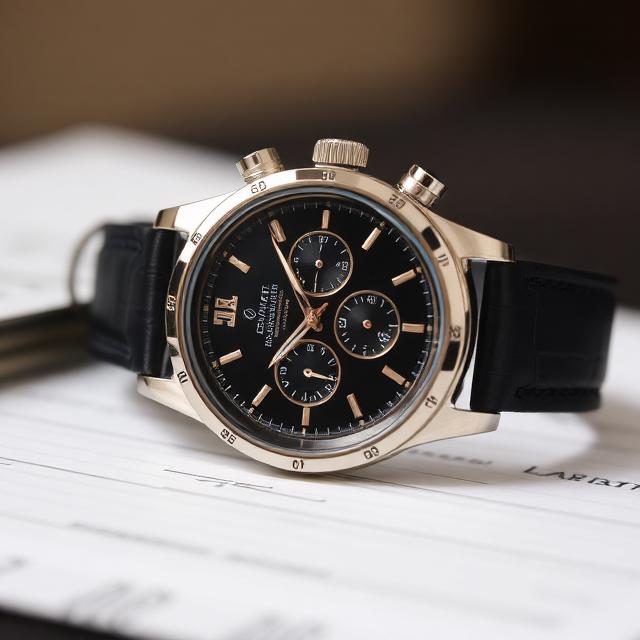
Recognizable by the push-pieces (buttons) located on the side of the watch case—usually positioned above and below the winding crown—a chronograph lets you start, stop, and reset the central seconds hand. Most modern chronographs also feature sub-dials (registers) on the watch face, which track minutes and hours, allowing the wearer to measure events lasting anywhere from a fraction of a second to twelve hours.
A Legacy Written in Seconds: The History of the Chronograph
The history of the chronograph is a narrative of necessity. While Louis Moinet is credited with inventing the first “compteur de tierces” in 1816 to track astronomical movements, it was the industrial age that pushed the complication into the mainstream.
Precision for the Pioneers
As the 20th century dawned, the world began to move faster. Aviation and automobile racing demanded precise timing. Pilots needed to calculate fuel consumption and navigation intervals, while racing drivers needed to clock lap times to the millisecond. By the 1960s, the chronograph became the defining accessory of the “Golden Age of Racing.” Iconic models—most notably the Rolex Daytona and the TAG Heuer Monaco—became synonymous with the high-stakes world of Formula 1 and endurance racing.
The Space Race
Perhaps the most storied chapter in chronograph history occurred in 1969, Chronograph Watch when the Omega Speedmaster became the first watch worn on the moon. This feat cemented the chronograph not just as a tool for athletes, but as a flight-certified instrument capable of surviving the most extreme conditions in the universe. It transformed the chronograph into a symbol of human ambition.
Why Choose a Chronograph?
If you are considering adding a chronograph to your collection, you are looking at a timepiece that balances technical prowess with high-fashion appeal. Here is why this style remains the gold standard: Chronograph Watch
1. Unmatched Utility
While smartphones can track time, they lack the immediate, tactile satisfaction of a mechanical chronograph. Whether you are timing a presentation, a workout, or a culinary endeavor, the ability to engage a complication with a satisfying “click” of a pusher is a primitive, yet sophisticated, pleasure. Chronograph Watch
2. A Masterpiece of Engineering
A chronograph movement is significantly more complex than a standard automatic or quartz movement. It requires hundreds of additional parts, including wheels, springs, and levers, all working in perfect harmony. Owning a chronograph is, in essence, owning a miniature engine on your wrist—a feat of micro-engineering that captures the imagination.
3. The Ultimate Aesthetic
The “panda” dial (a white face with black sub-dials) and the tachymeter scale (found on the bezel) are design hallmarks that scream masculinity and sophistication. A chronograph looks just as appropriate under a tuxedo cuff as it does with a leather jacket. It adds depth, texture, and visual interest to your outfit, making it the most versatile watch in any collection.
Understanding the Components
To truly appreciate your watch, you must understand the language of its face:
- The Pushers: Usually located at 2 o’clock (Start/Stop) and 4 o’clock (Reset).
- The Sub-dials: These registers display the elapsed time. Typical configurations include a 30-minute counter, a 12-hour counter, and a permanent small-seconds hand (which runs continuously to show the watch is functioning).
- The Tachymeter: Found on the outer rim of the dial or the bezel, this scale allows you to calculate speed based on travel time over a fixed distance (e.g., one kilometer or one mile).
- The Sweep Seconds Hand: The large, central hand that stays at 12 o’clock until the start pusher is pressed.
Choosing the Right Chronograph for You
Selecting a chronograph is a personal journey. Before making your purchase, consider these three factors:
Movement Type: Automatic vs. Manual vs. Quartz
- Manual-Wind: Preferred by purists who enjoy the ritual of winding their watch every morning. These movements are often thinner and allow for a clear view of the complex movement through a sapphire case back.
- Automatic: Powered by the motion of your wrist. These are convenient for daily wear, ensuring the watch is always ready to go. Chronograph Watch
- Quartz/Mecha-Quartz: These offer supreme accuracy and are often more affordable. Mecha-Quartz movements offer the “sweep” of a mechanical hand with the precision of a battery, making them a great entry point.
The Case Material Chronograph Watch
Are you looking for the traditional ruggedness of stainless steel, the warmth of rose gold, or the modern, lightweight aesthetic of ceramic or titanium? The material will dictate both the weight of the watch on your wrist and its overall “vibe.” Steel is timeless and scratch-resistant; precious metals offer a level of prestige and investment value; titanium offers modern, utilitarian comfort. Chronograph Watch
Size and Comfort
Chronographs, by necessity of their complex movements, tend to be slightly thicker than time-only watches. Ensure the case diameter suits your wrist size. A 40mm to 42mm case is widely considered the “sweet spot” for most collectors, providing excellent legibility without overwhelming the wrist. Chronograph Watch
Caring for Your Chronograph
A high-quality chronograph is an heirloom. To ensure it lasts for generations, adhere to these simple maintenance tips: Chronograph Watch
- Service Intervals: Mechanical chronographs should be serviced by a certified watchmaker every 3 to 5 years to ensure the oils remain viscous and the gears are clean.
- Avoid Water Exposure: Unless your chronograph is specifically rated for deep-sea diving (check the water resistance rating), be mindful of water. If the chronograph has “screw-down” pushers, ensure they are tightly screwed in before entering any damp environment.
- The Reset Rule: Never attempt to reset the chronograph while it is running. Always stop the mechanism first, then reset it. This preserves the delicate heart of the movement. Chronograph Watch
Conclusion: A Timeless Investment Chronograph Watch
The chronograph is more than a watch; it is a legacy. From the circuits of Le Mans to the crater-filled surface of the moon, the chronograph has been present for the moments that have shaped our world. When you fasten a chronograph to your wrist, you are not just checking the time—you are carrying a piece of history, a complex mechanical marvel, and a symbol of your own dedication to precision.
Explore our curated collection of luxury chronographs today and find the companion that matches your pace. Whether you are racing against the clock or simply savoring the passage of time, do it with the unparalleled excellence that only a chronograph can provide.
https://vipopen.click/category/post
